Early intervention support · Provider listing
Early intervention Support at Community Health Occupational Therapy service — NSW
Community Health Occupational Therapy service in NSW lists services that overlap with paediatric occupational therapy for early intervention.
Community Health Occupational Therapy service in Across NSW has not confirmed its current availability on OTWaitlist. Availability is self-reported and can change — confirm directly with the clinic.
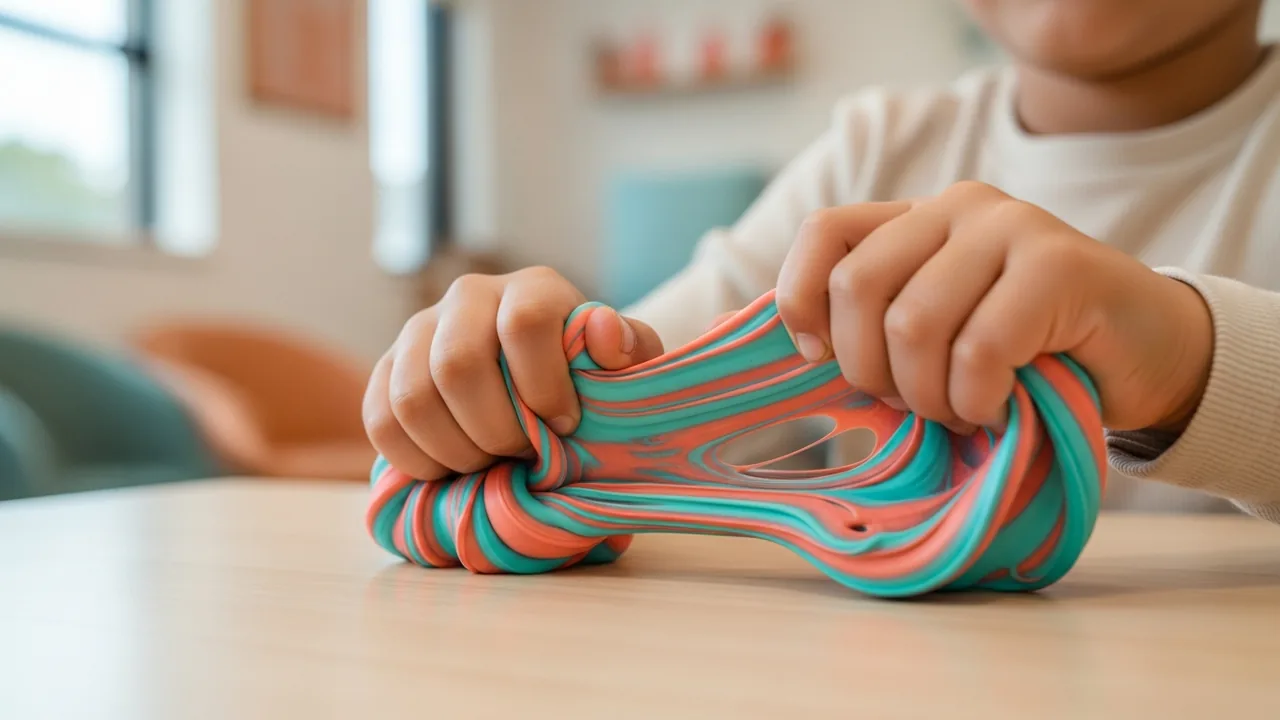
Services Community Health Occupational Therapy service offers for early intervention
Community Health Occupational Therapy service lists sensory processing support as part of its paediatric occupational therapy offerings. Sensory processing difficulties in early childhood can affect how children respond to everyday experiences like touch, movement, sound, and visual input, which may impact their participation in daily routines and learning. According to its listing, the clinic addresses sensory needs through tailored activities and environmental adjustments.
Occupational therapists typically use sensory-based interventions to help children develop better awareness and regulation. Common approaches listed by Community Health Occupational Therapy service may include activities such as work with sensory swings or suspended equipment to support vestibular (movement and balance) processing, use of weighted blankets or vests to provide calming proprioceptive input, and structured play activities involving different textures and materials to build tolerance and discrimination skills. These interventions are often embedded into everyday routines rather than delivered in isolation.
Funding for early childhood occupational therapy may be available through NDIS plans for eligible children, though NDIS registration for Community Health Occupational Therapy service has not been confirmed in the current directory snapshot. Parents considering this service should verify current registration status and funding eligibility directly with the clinic. Early intervention support during the preschool years can support children's engagement with peers, learning environments, and self-care routines.
Contact Community Health Occupational Therapy service
Your enquiry is sent to the clinic and a copy is sent to you. Mention early intervention when you reach out so the clinic can confirm fit and current availability.
- Phone
- (02) 7825 3369
About early intervention
Early childhood is a time of rapid development across play, movement, communication, self-care, and social skills. When concerns about a child's early development arise, paediatric occupational therapy is one of the allied health supports often involved.
Other providers in Across NSW supporting early intervention
- Ability Action Australia NSW Status unconfirmed Lists: Sensory processing
- Ability to Achieve NSW Taking new clients Lists: Sensory processing
- Action Kids Therapy NSW Taking new clients Lists: Sensory processing
- Advantage Therapy NSW Status unconfirmed Lists: Sensory processing
- Allied Health 2U NSW Status unconfirmed Lists: Sensory processing
Other conditions Community Health Occupational Therapy service may support
- Autism support at Community Health Occupational Therapy service
- Sensory processing support at Community Health Occupational Therapy service
- ADHD support at Community Health Occupational Therapy service
- Developmental delay support at Community Health Occupational Therapy service
- Handwriting support at Community Health Occupational Therapy service
- Fine motor delay support at Community Health Occupational Therapy service
Common questions
How does sensory processing support help my young child?
Sensory processing interventions help children develop better awareness of and responses to sensory input from their environment. This can support participation in daily activities, reduce distress during transitions, improve focus during learning, and help children engage more comfortably with peers and routines. An occupational therapist cannot diagnose sensory processing disorder but can assess how sensory experiences affect your child's functioning.
Can Community Health Occupational Therapy service help if my child has autism or ADHD?
Occupational therapists work with children across a range of developmental presentations. However, occupational therapists cannot diagnose autism, ADHD, or other conditions. If your child has been diagnosed or you suspect a diagnosis, Community Health Occupational Therapy service can support functional skills and sensory needs alongside medical or psychological assessment. Discuss your child's specific needs when contacting the clinic.
Is this service covered by NDIS funding?
NDIS registration for Community Health Occupational Therapy service has not been confirmed in the current directory snapshot. If your child has an NDIS plan, you may be able to use funding for allied health services, but you will need to verify the clinic's registration status and whether they accept NDIS funding. Contact the clinic directly to discuss funding options and eligibility for the 2025-26 financial year.
Is this your clinic? Claim your listing to update availability whenever it changes. Free, no payment. Claim in 30 seconds →
Keep exploring
Service overviews
Other conditions Community Health Occupational Therapy service supports
- Autism support at Community Health Occupational Therapy service
- Sensory processing support at Community Health Occupational Therapy service
- ADHD support at Community Health Occupational Therapy service
- Developmental delay support at Community Health Occupational Therapy service
- Handwriting support at Community Health Occupational Therapy service
- Fine motor delay support at Community Health Occupational Therapy service
Listing details last refreshed on 15 September 2026. Sourced from public clinic listings. Confirm directly with the clinic before booking.
OTWaitlist provides general information about NDIS-aligned paediatric occupational therapy clinics. We're not a clinic and don't provide medical advice. Always speak directly with a qualified OT or GP about your child's specific needs.